Assemble, Sing, and be Encouraged

Habakkuk is a wonderful little book tucked away toward the end of the Old Testament. It is unique in that it is primarily a dialogue between Habakkuk and the Lord as opposed to a message directly given to Judah or another nation. The theme centers around Habakkuk’s distress over the wickedness of his people first of all. To him, it appears that God isn’t doing anything about it and Habakkuk wonders why. When the Lord says He is doing something (raising up the Babylonians as an instrument of judgment on His people) Habakkuk is shocked and dismayed at the answer he gets to his first complaint.
There is a transition that takes place in Habakkuk’s heart from chapter one to chapter three. The book begins with Habakkuk being worried and ends with him worshipping. The last chapter is a Psalm, a song specifically written for public worship. The book ends with the instruction that this chapter was “to the choirmaster: with stringed instruments.”
There is a lot to learn from Habakkuk in terms of how to handle the distressing troubles of this present age. He teaches us a lot about prayer and faith. Chapter two verse four is quoted in three significant places in the New Testament: Romans, where Paul emphasizes righteousness; Galatians, where he emphasizes the word “live;” and Hebrews, where the principle of faith takes center stage.
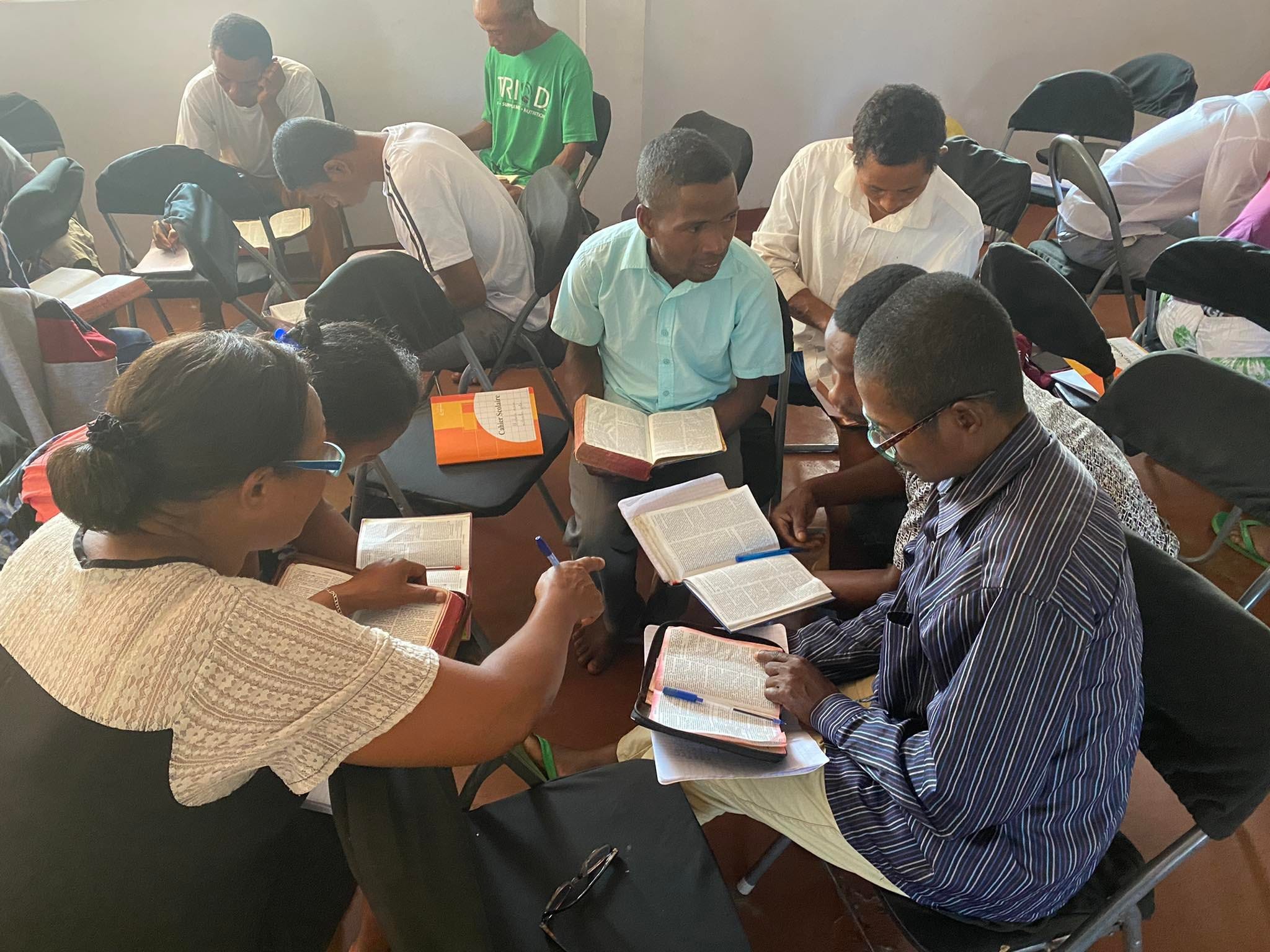
But what might be easily overlooked, because it is implied rather than explicitly stated, is the importance of public worship. I say it is implied because chapter three wasn’t intended to be just Habakkuk’s private prayer and we get to listen in on it. It was meant to be a song/prayer that we join in singing/praying. Furthermore, it wasn’t just a song that we are given to sing by ourselves while we are driving around in our Camry (or riding around on their camel for those in Habakkuk’s day). It is a congregational song, something for the worship leader to add to his Sabbath liturgy.
The reason, I think, it is important to point this out is it is one of the spiritual strategies for combating discouragement on difficult days. This is Habakkuk’s way of saying the same thing the writer of Hebrews said when he said, “forsake not the assembling of yourselves together,” because he saw the gathering as one of the primary means of being stirred up to love and good works and be encouraged in our faith. (Hebrews chapter ten – which is the same chapter in which Habakkuk 2 is quoted, so it is not a far-fetched connection to associate these two things).
Vital faith in troubling times is helped and strengthened by the assembly of saints to sing and pray and hear the faith.