
Believing Thomas
30 Days in John - day 29

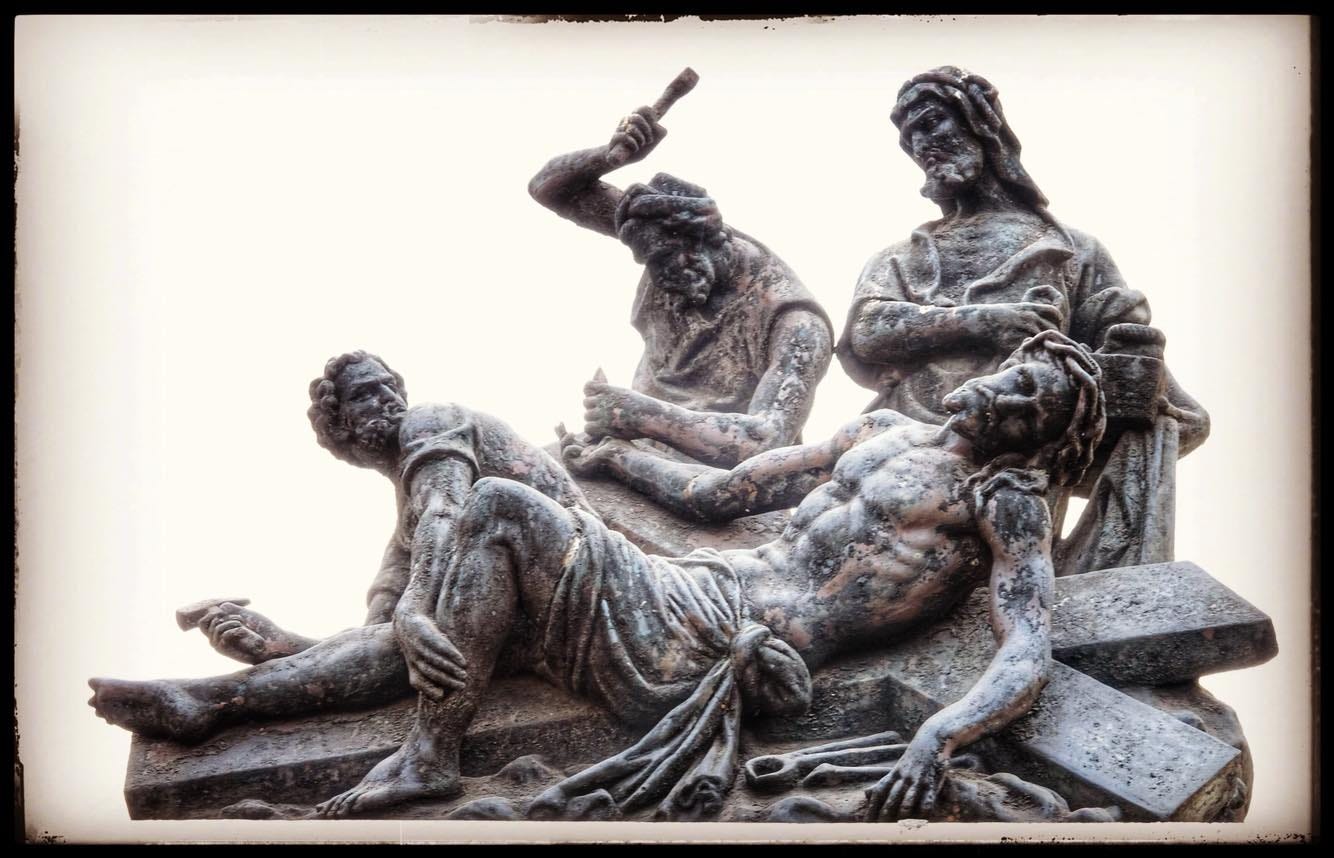
(The picture with today’s devotional is one I took at a church in Chenai, India and it is near the site where Thomas was said to have been martyred)
Thomas is mentioned only by name in the Synoptic Gospels—Gospel of Matthew, Gospel of Mark, and Gospel of Luke. No dialogue. No scenes. No personal details. Just his name in a list. But in the Gospel of John, he steps into the light.
Most Christians know him by the moniker “Doubting Thomas.” Someone read John chapter 20 and came up with that nickname and, unfortunately, it stuck. John’s point is not to present Thomas as a warning about stubborn unbelief. It is just the opposite. Thomas is a model of saving faith.
Yes, Thomas says he won’t believe unless he touches Jesus’ scars. But look again how John frames that moment. It comes right before his statement about why he wrote this gospel:
“These are written that you may believe that Jesus is the Christ, the Son of God, and that by believing you may have life in his name.” (John 20:31 ESV)
When Jesus encounters Thomas He uses his faith as a point of reference for all who would believe in Him going forward:
“Have you believed because you have seen me? Blessed are those who have not seen and yet have believed?” (John 20:29 ESV)
So, the point is not for us to look at Thomas and think about his doubts, but to see his faith as an example and encouragement for our own.
What did Thomas’ faith look like and why did John highlight it?
Thomas’ faith was not just that he concluded that Jesus had risen from the dead. Certainly he concluded that Jesus had risen. He was not dreaming. It was not a vision. Jesus stood before him in a real body and invited him to touch real wounds. The resurrection was physical, and Thomas knew it.
But Thomas went further. He drew a straight line from believing Jesus was alive to believing that Jesus is divine. His statement of faith—his personal creed—was simple and profound: “My Lord and my God!” Thomas not only believed Jesus was alive; he confessed that Jesus is God.
Thomas’ faith was also personal. It wasn’t a mere doctrinal statement. He didn’t just say that Jesus is Lord and God. He said Jesus is my Lord and my God. That is important and that is one of the reasons why John highlights him here.
John concludes by saying that he wrote his gospel account so that people would believe that Jesus is the Christ, the Son of God. And as if John were anticipating the question, “What would that kind of faith look like?” He gives us Thomas as an example.
Saving faith is believing that Jesus is risen from the dead, that He is the Christ, and that He is the Son of God. But here is the difference: saving faith is not merely believing these things are true. It is confessing, with Thomas, that He is my Lord and my God.
https://substack.com/redirect/d15f1c48-3a5c-485c-a129-02aaf7b7801e?j=eyJ1IjoiMmIyMnFlIn0.B7T8HCggRQ1MOWaVbT6W9TlTQod38BTDW5g-k1BBGNM
I’m always interested in the books discovered that are deemed gnostic- there is so much hidden on purpose
Thank you for sharing also!