God Appearing

Scripture Reading: Genesis 18-19; Psalm 6
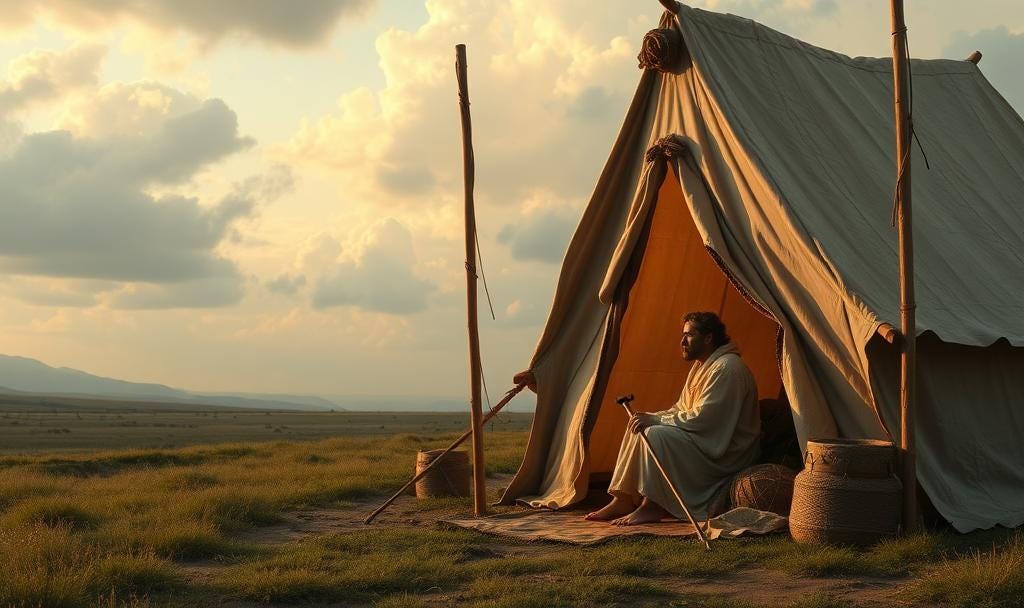
When three men show up, unannounced and unexpected, at Abraham’s tent, he immediately understands who they are. While this encounter might be difficult for us to fully comprehend, it is what theologians call a “theophany.”
R.C. Sproul described a theophany as a “rare but crucial moment in the Bible where the invisible God reveals Himself in a form that can be perceived by human senses, preparing for the ultimate revelation in Jesus Christ.” (The Holiness of God)
Wayne Grudem wrote in Systematic Theology that “A theophany is not a mere symbolic or figurative manifestation of God; rather, it is a tangible, sometimes visible, and perceptible appearance of God’s presence to humanity.”
In this case, two of the three men must have been angels, as they go on to carry out God’s severe judgment on Sodom and its sister cities after forcing Lot and his family to flee. We are later directly told that they were angels. However, the text begins by stating, “The LORD appeared to Abraham by the oaks of Mamre,” and in the conversation that ensued, “The LORD said to Abraham…” The identity of these visitors is clear: one of them is the LORD Himself, revealing His plan to Abraham.
But the question remains: Why?
I believe the answer is rooted in two significant events that are happening simultaneously. The LORD is fulfilling His promise to Abraham about a son, the one who will begin the Messianic line and ultimately fulfill the promise of Genesis 3:15—the one who would crush the serpent's head. God is working out His plan to save sinners. At the same time, the angels are preparing to bring God's fiery judgment on the wickedness of Sodom. The world is moving toward both: salvation through the promised seed and judgment on those who reject God's ways.
This moment in Genesis foreshadows the ultimate end of human history. The wickedness of sin, both human and angelic rebellion, is being prepared for a final judgment. The destruction of Sodom is a vivid picture of what will happen to all that is evil—it will be burned up and perished.
Yet, there is another movement in this story: the kingdom of God is growing. People are being added to the body of Christ. The prayer we pray, “Thy Kingdom come,” is being answered, even as judgment falls.
On that day outside Abraham’s tent, the Son of God Himself appeared, shared a meal with Abraham, and guaranteed that Sarah would have a son—the very line through which He would come to be the Son of Man and the Savior of the world. But this moment also serves as a reminder: salvation is not universal. People must come out of what Augustine called the “City of Man”—the world of earthly desires, self-interest, and pride. This city is focused on the material world, driven by selfish ambition. It is passing away and will perish, just as Sodom did.
The “City of God,” on the other hand, is where men and women live by faith and virtue, building their lives in relationship with God. It is eternal and destined for everlasting fellowship with God through Jesus Christ our Lord.
As we reflect on this theophany, we are reminded of the choice before us. In your life, are you building for eternity in the City of God, or are you investing in the fleeting desires of the City of Man? Which city are you choosing to live in today? Our actions, our relationships, and our priorities will reveal where our true allegiance lies.
Choose your city wisely.