
Good Eats: Biryani and Filtered Coffee
A Saturday Story

In the West, we tend to think of Indian food in a monolithic way. We assume it is the same all over India, which isn’t a correct view of their food. It isn’t any more right to think of Indian food that way than it would be to think of American cuisine myopically. We know you can get BBQ in Kansas City, Memphis, or Austin. But we also know it is going to be different in each city.
Certain regions or cities are known for certain foods. Chicago = hot dogs. Buffalo = wings. Green Bay = brauts. New Orleans = red beans and rice. You can probably find a place to get fried chicken, grits, or okra in New Jersey, but it won’t be anywhere as good as you will get in Tuscaloosa.
India is no different. Everyone in India knows that if you want the best Biryani you have to go to Hyderabad. Monica and I once ate out at an Indian food restaurant in Tulsa. I was looking over the menu and noticed they had Biryani. When the server came to our table I asked him, “Is your Biryani as good as the Biryani they serve in Hyderabad?”
He scrunched his brows, tilted his head slightly, wagged his finger a little, and answered, “Not possible.”
I like an honest man.
Once while holding pastor’s training conferences south of Bangalore, we made plans to travel to Chennai to visit a pastor friend who lives there and pastors a reformed Baptist church in the city. Chennai is said to be where the Apostle Thomas was martyred. Thomas was the first Christian missionary to India and Chennai was where he made the largest inroads.
We got a guy to drive us up to a Bangalore train station in his sketchy car. We were crammed in the front and back seats. Uncomfortably so to me with my Western need for personal space, but comfortably familiar to Indian sensibilities and the necessity of doing what you have to do to do what you have to do.
As soon as we started the discussion about the trip to Chennai, the Indian pastors who were making the trip with us started excitedly talking about getting filtered coffee in Chennai. I was confused as to what they meant by the way they used the term “filtered coffee.” They were confused by my confusion. Neither of us made any progress on understanding the other so we let it go. I decided learning by experience is better than learning by explanation in this instance.
After an overnight train ride, once we got settled into the hostel where we would spend the night, we made our way to a local coffee shop to drink some Chennai-filtered coffee. We all took a seat around a small table. I situated myself where I could watch the coffee-making process.
A couple of men were working in synchronized symmetry. There was a large pot over a propane-fueled fire. What I assume were coffee grounds were in a large linen cloth and one of the men would put the coffee bag into the boiling water. Another man, at the appropriate time, was dipping the coffee out and pouring it into cups.
But when I say he was pouring it into cups, it is not as simple as it sounds. He makes his pour from as far up and away from the cup as possible. The explanation I received is that this action aerates the coffee. The longer the fall from the pot to the cup, the more oxygen it absorbs and the better it tastes.
Then, when we got the coffee in the cups on the saucers, the coffee was poured from the cup onto the saucer in small amounts and then sipped off of the saucer.
I’m certain my explanation is faulty and not completely accurate. I’m a bad translator. I remind myself of Fally, a man who attempted to translate for me once in Madagascar. That’s a story for another day.
The best way for you to understand this is to take a trip to Chennai. Go to Thomas’s grave site. Go to the cave where he is reported to have hidden out. Visit one of their beaches. Go to church and hear Pastor Joshua Edwin preach. And find a good place to drink filtered coffee.
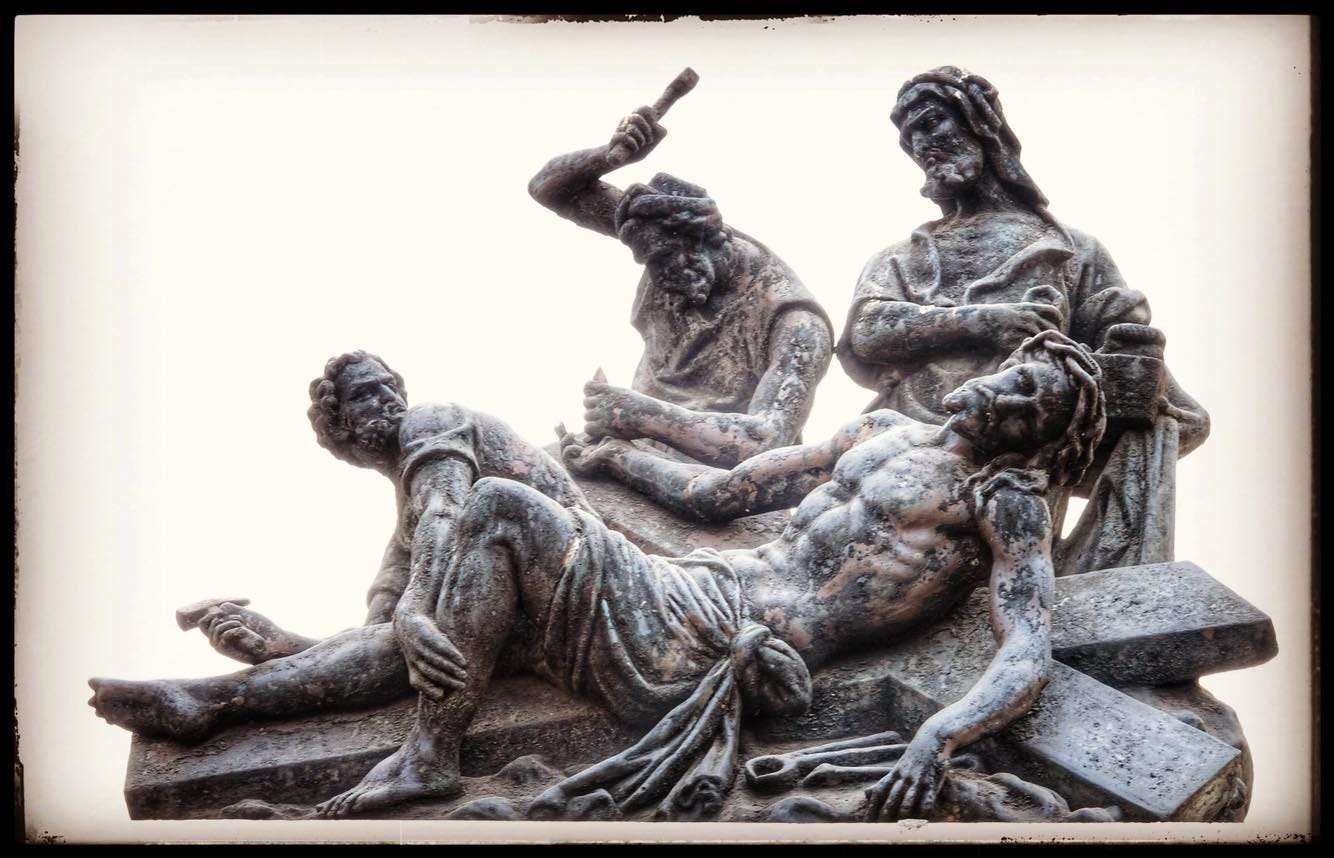
(This picture is from St. Thomas Church in Chennai)