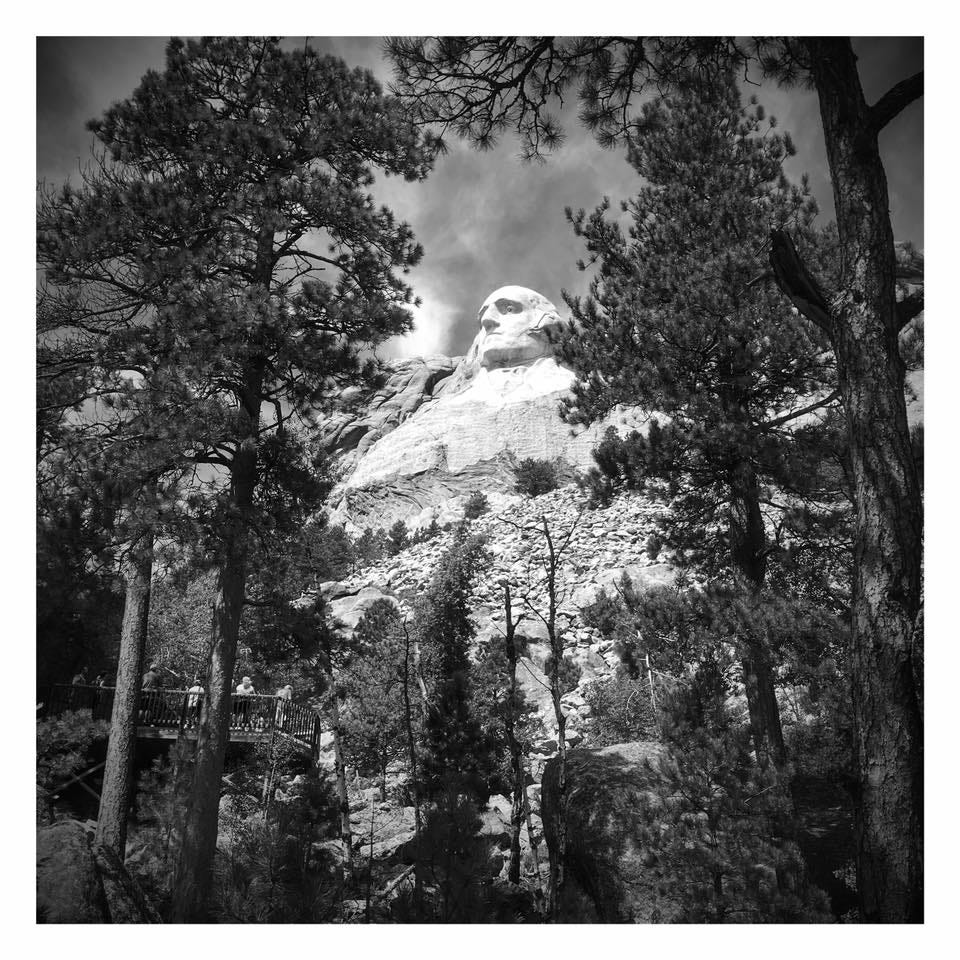
Men Walking as Trees

Scripture Reading: Mark 8:22-26
One of my favorite Martyn Lloyd-Jones books is “Spiritual Depression.” His ability to glean practical spiritual wisdom from the texts of Scripture is unmatched. In one chapter he deals with this text from Mark’s gospel and associates the experience of the blind man to how people sometimes experience their relationship to Christ. The man in the story is healed in some sense by Christ, but when asked if he can see, says, “Yes, I see people, but they look like trees walking.”
As Lloyd-Jones rightly points out, the way this miracle plays out was intentionally arranged by Jesus. He was teaching a spiritual truth. Lloyd-Jones relates it to people who have a form of faith in Christ, but don’t go all the way with Him. “They acknowledge Christ as Saviour and yet when it comes to the application of his teaching through the will, there is confusion and they are not clear about it.”
He goes on to say that people in this spiritual state never fully accept the authority of Scripture and they aren’t interested in doctrine. They can see, but not clearly because they have not fully embraced the teaching of Christ in the Bible. They have not submitted themselves to the authority of Christ as revealed in the Word of God.
While written decades ago, the wisdom of Lloyd-Jones concerning this passage is relevant today. A whole host of people claiming to believe in Christ are unwilling to fully commit to His teaching. They see, but they don’t see clearly.
Lloyd-Jones points to the text again to show that it also reveals the answer to the problem. We, like the blind man, have to be honest about ourselves. We have to begin by admitting to the Lord our true condition. Then, we have to submit to Him. We have to say, “I want the truth whatever it costs me.”
(I highly recommend this book and almost anything by Lloyd-Jones is worth reading. Here is a link to the one I am referencing in this devotional: Spiritual Depression. I have an older copy, but the section in which this is found in Chapter Three, pages 37-48)