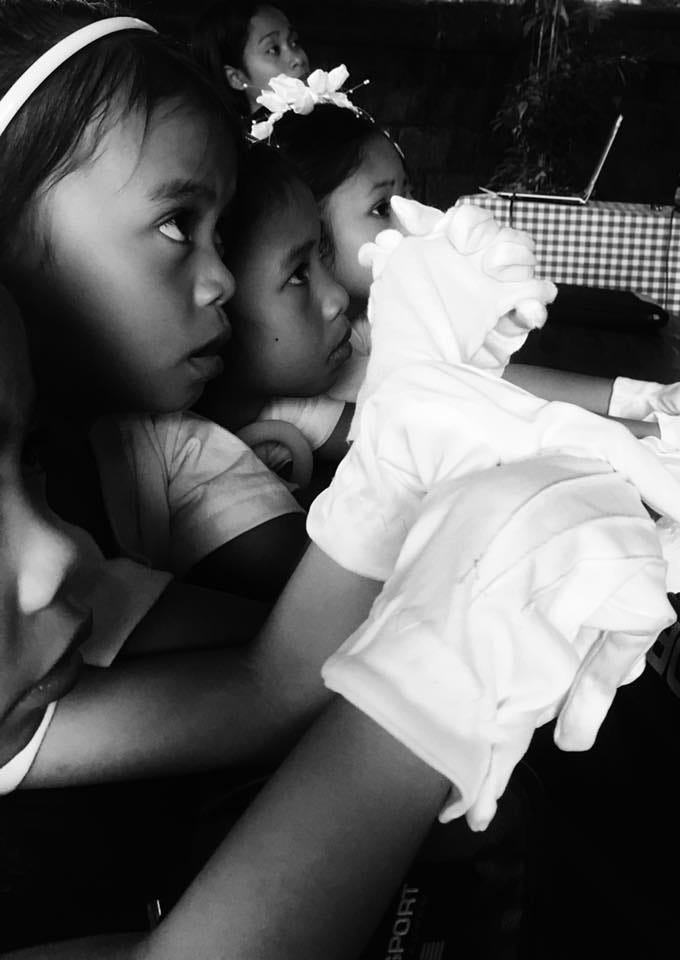
Sing to the Lord
part one

Last Friday I pointed out the type of literature we find in Habakkuk chapter three. It is a song or a Psalm. If you missed Friday’s post that explains that I recommend going back to that so you understand the context of today’s devotional.
Habakkuk’s Psalm/song was written from his experience. It was his struggle and his questions and the answers he found to those questions that gave rise to his song. So, it is a very personal song. But even though it is personal in nature, Habakkuk is very clear that he wants it to be sung by the temple choir and the people of God generally. He hands it off to the choirmaster with instructions about instrumentation (3:19) and musical notations within the text (verses 3, 9, and 13) that help the choir know how it is to be sung.
My point is, although Habakkuk’s experience was unique in some respects – he alone asked these questions in this way at that moment in time – but it was the shared experience of God’s people in another way. While the exact way Habakkuk asked and struggled through his questions was uniquely his, the nature of his struggle was that it was a shared struggle.
This is the nature of much of Christian hymnody that we should appreciate. Many of our most beloved hymns are birthed out of someone’s personal experience. It is their unique experience that gives rise to the words they put down on paper. And while we don’t share their experience in precise detail, it was, after all, their experience and not ours, we do share in the likeness their experiences.
When we sing these great hymns, we should occasionally remind ourselves “that the same kinds of suffering are being experienced by your brotherhood throughout the world,” (1 Peter 5:9). We are not alone. Others have walked the paths that we are walking. Many are walking that path with us today. The hymns we sing remind us of that. Let’s consider a few this week…